In the fast-paced, high-pressure environment of a professional kitchen, communication can make or break a service. From coordinating complex orders to maintaining team morale, the way chefs and staff interact plays a crucial role in shaping kitchen culture.
In this interview, we speak with Dina Altieri, Director of Education and Training at Catalyst Kitchens, about the importance of clear communication, active listening, and compassionate leadership—and how these skills can transform both teamwork and performance behind the pass.
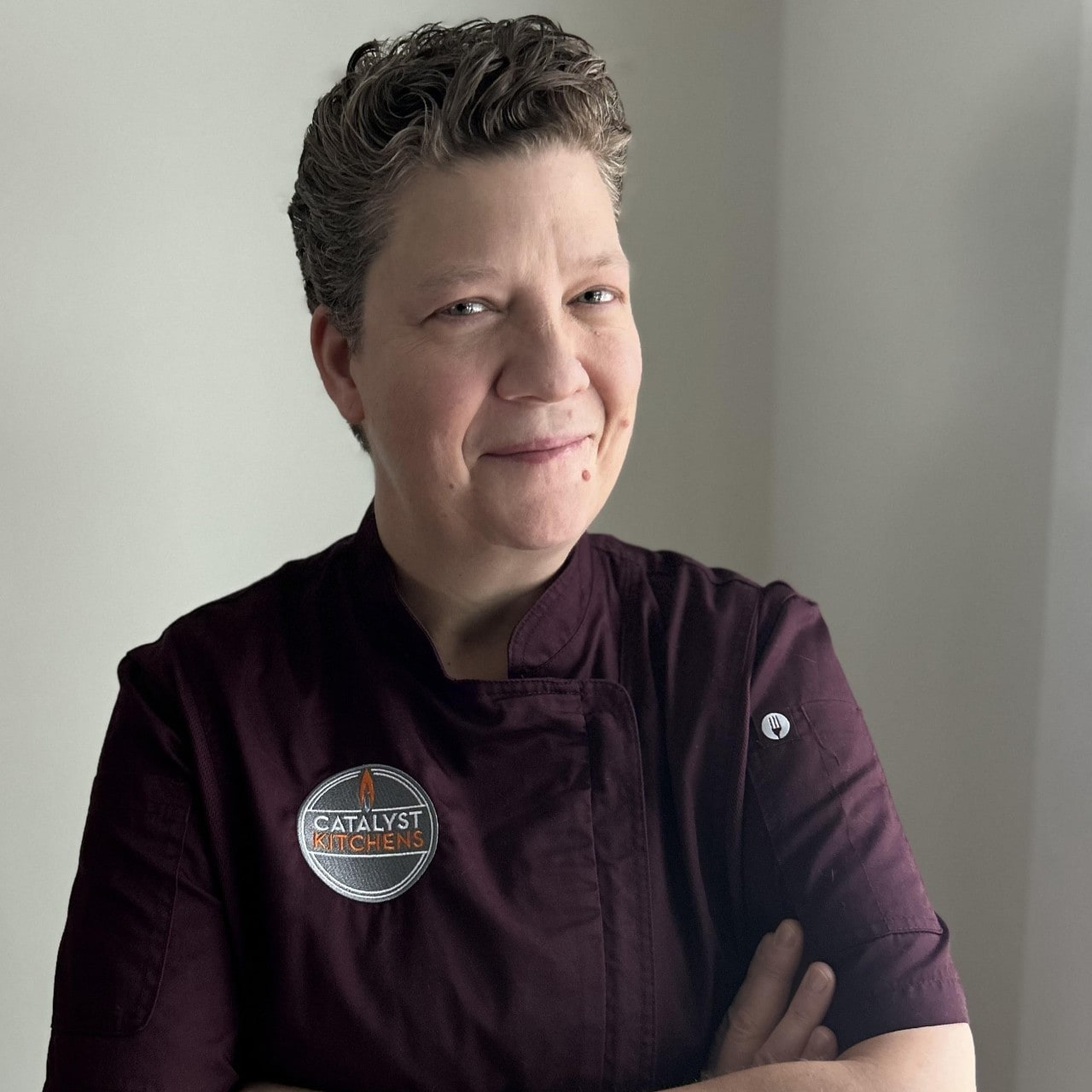
Dina Altieri, Director of Education and Training at Catalyst Kitchens
- Why do you think communication plays such an important role in creating a positive kitchen culture?
The kitchen environment relies on a constant flow of communication, so when it breaks down it can have serious consequences for morale, productivity and customer service. During busy periods, when people are focused on speed, communication can be rushed, incomplete, condescending, or aggressive. The many moving parts of service must be carefully coordinated which increases the chance of messages being missed or misunderstood. Noise levels, pressure, and stress make it harder to hear clearly, remain calm, or take time to confirm details. It is important to practice effective communication so that in high-stress situations, your default response is grounded in best practices rather than leading to missteps.
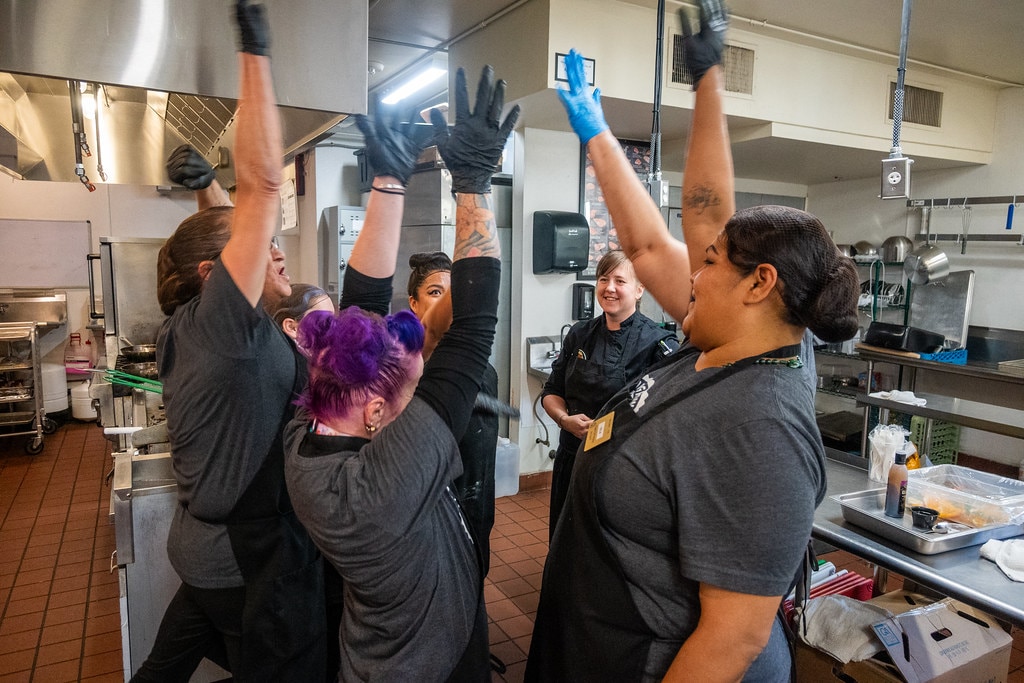
UMOM New Day Centers, Phoenix, Arizona
- How important are listening skills in the kitchen, and what does “active listening” look like during a busy shift?
Listening skills are especially important in a kitchen because they help ensure clear communication, improve teamwork, maintain safety, and allow staff to work efficiently in a fast-paced environment where timing and accuracy are critical. “Heard!” is repeated hundreds of times in the kitchen as a call and response transaction. To strengthen communication and ensure mutual understanding, an additional element could be added: “What did you hear?”
Scenario 1:
Sous Chef: “Fire two calamari!”
Cook: “Heard!”
Scenario 2:
Sous Chef: “Fire two calamari!”
Cook: “Two calamari, heard!”
Which of these two scenarios ensures clear communication? Answer: Scenario 2.
Active listening is an intentional process and even during busy times, it is an essential tool to use when speaking with others. Active listening is a two-way communication process between all parties who are communicating. While a busy kitchen can be distracting, you can still create space for active listening. Simply put, it is a three-step process. 1) Take the time to hear what someone is saying without interrupting. 2) Pause and make every effort to understand what they are saying, and 3) Carefully repeat back a few key elements of the conversation to ensure you are following them accurately.
When the discussion requires more than a “call back,” as illustrated in the sample sous chef-cook exchange, you can ask clarifying questions to deepen your understanding as part of the process. You should also pay attention to verbal and non-verbal cues. After the person is fully heard, you can offer your perspective, if it would be helpful to share. People who feel heard are also often more willing to continue sharing, appear more comfortable, and respond with greater openness and trust.
Like most things, active listening requires practice. At Catalyst Kitchens, we’ve designed a Building Better Kitchens workshop that trains hospitality professionals on vocabulary, concepts and tools to enhance their workplace communication and interactions with others. One of the tools we teach and practice is active listening. I value active listening because it helps build trust and provides space for others to express themselves without judgement.
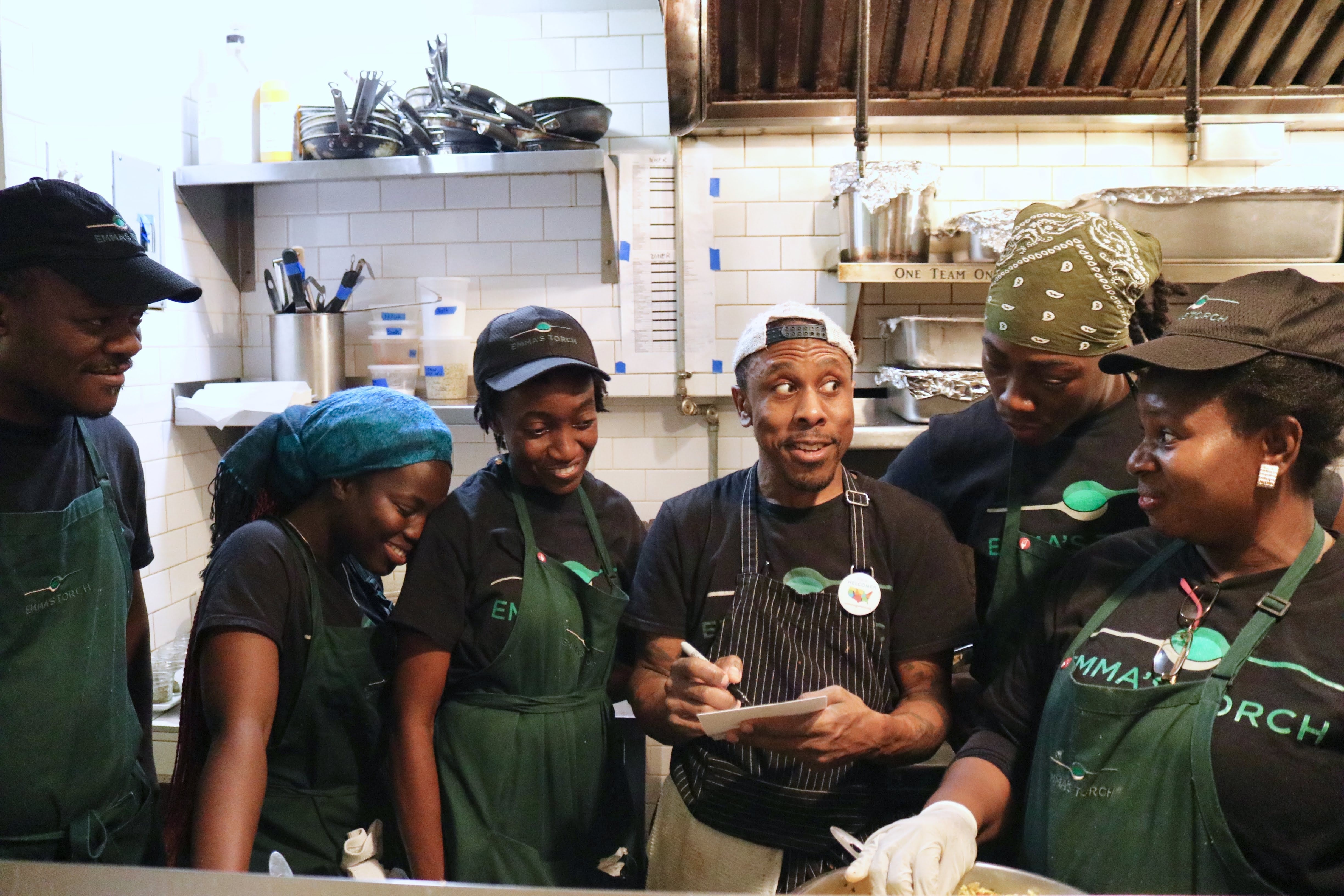
Emma's Torch, Brooklyn, New York
- How do you personally approach giving constructive feedback without discouraging or demotivating someone?
I strive to create an environment where people can expect feedback on all aspects of their work, whether it involves recognizing strengths or addressing areas for improvement. I intentionally check on what is going well just as much as I make time to discuss opportunities for growth. My goal is to normalize feedback as an essential part of continuous learning and professional development. I also like to begin conversations by asking individuals to assess their own performance before I offer my perspective, as understanding how they view their progress is an important part of the development process.
- Kitchens are often multicultural environments with different personalities and communication styles. How can teams overcome misunderstandings and communicate more effectively?
First, take time to learn about each team member’s unique background, experiences, and communication style to strengthen communication and collaboration. Understanding different perspectives helps build mutual respect, creates a more inclusive environment, and allows leaders to better support and connect with each team member. To ensure understanding, practice active listening, use clear language and ask questions if you need more information. Since kitchens commonly use jargon, take the time to explain frequently used terminology, and check for understanding. Also, regularly reviewing procedures and protocols helps ensure a shared understanding among the team rather than assuming everyone already knows or interprets expectations the same way. Another helpful tool is to approach situations with generous interpretation. Even when situations are frustrating, try to shift your mindset from judgement to curiosity. Remember times when you needed grace. We all have bad days, make mistakes, or let stress affect our behavior. Extending the compassion you'd want to receive builds trust and resilience. Research shows that generous interpretation not only improves relationships but also reduces our own stress and increases psychological well-being.
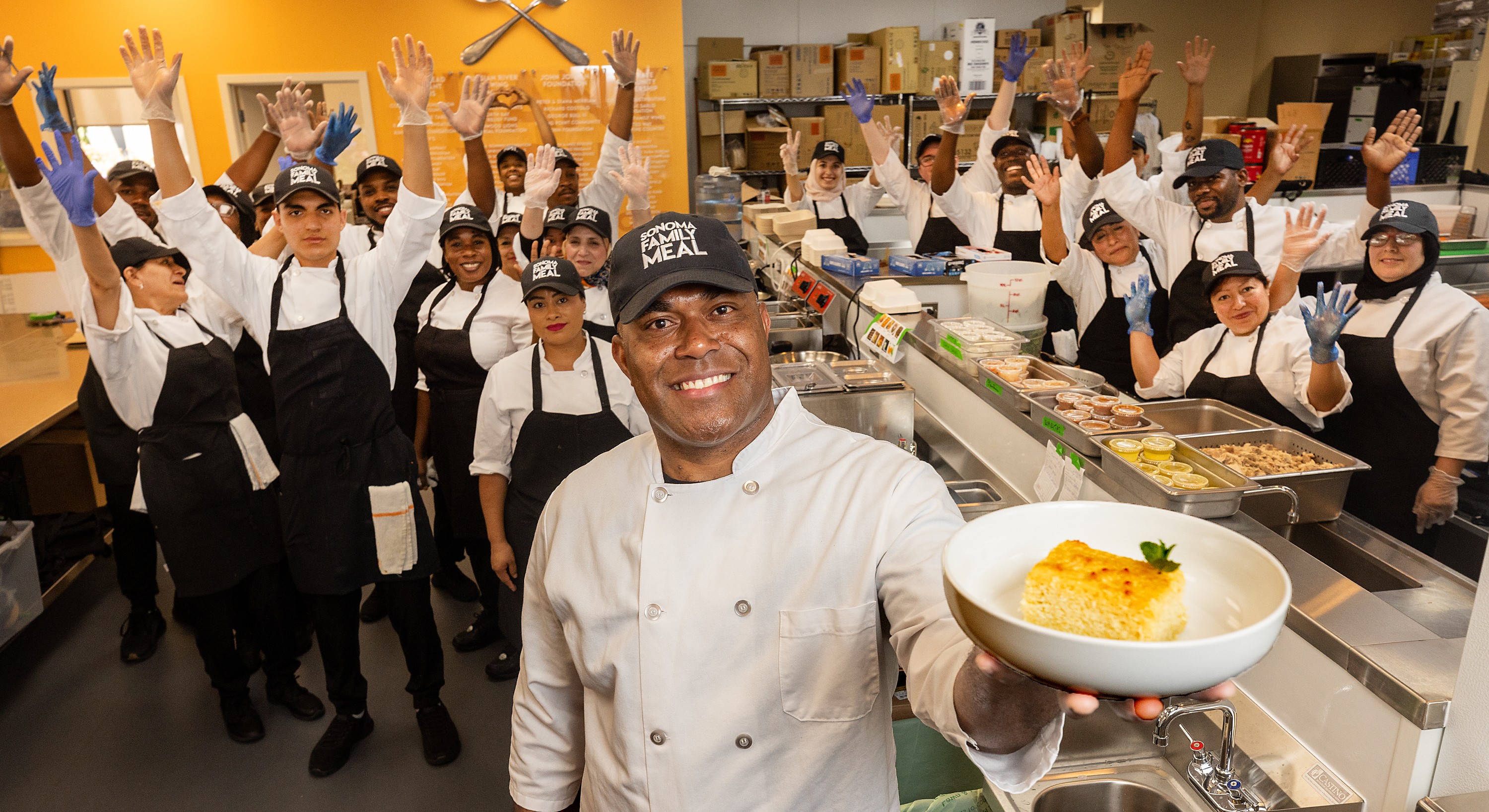
Sonoma Family Meal, Petaluma, California
- If you could give one piece of advice to the next generation of chefs about communication and leadership, what would it be?
When someone is new to the industry, we prioritize learning technical skills and becoming proficient in the craft of cooking, which is a natural first step. However, kitchens also rely heavily on teamwork, communication, and time management, and are people-centered environments. Therefore, it is equally important to invest time in learning and practicing how to be a supportive, contributing team member, including developing clear and consistent communication skills. There are resources available to enhance leadership skills, mental health awareness, and wellness as you navigate a hospitality career. In addition to the educational events we offer at Catalyst Kitchens, we partner with trauma-informed education specialist Nadja Mummery, who is available as a resource via her company, Learn to Heal Consulting. Also, you can access free resources offered by Unilever Foods Solutions via Positive Kitchens as well as the newest course The Positive Shift.
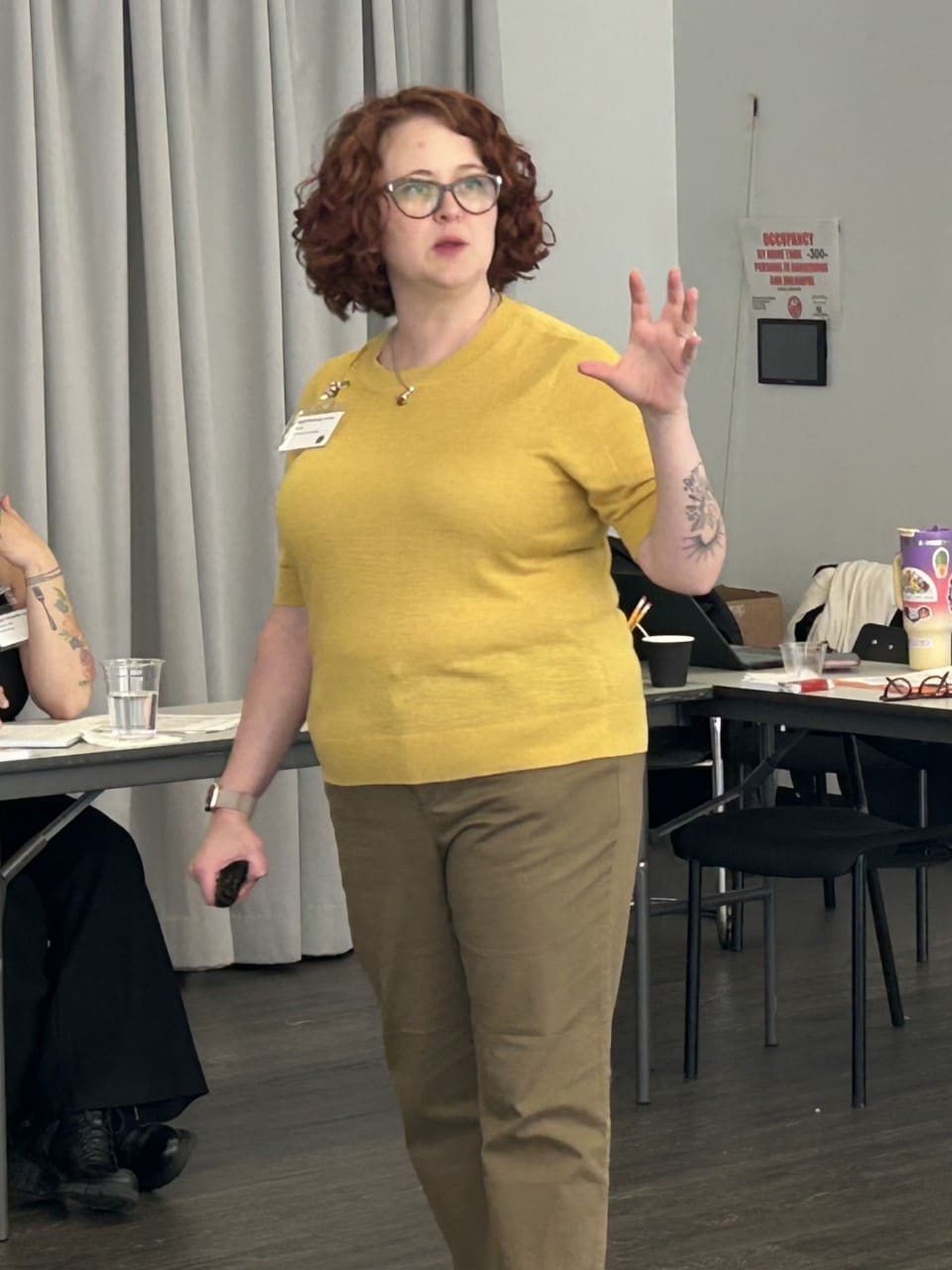
Nadja Mummery facilitating a session at a Catalyst Kitchens Building Better Kitchens workshop
Strong kitchens aren’t just built on skill—they’re built on communication, trust, and respect. As this conversation highlights, investing in how we listen, speak, and support one another is just as important as mastering technique. By fostering open communication and compassionate leadership, chefs can create environments where teams—and ultimately businesses—can truly thrive.


